

Bird Flu 101: What It Is & Why It’s Making Headlines
Written By - Elira Stanswick
on February 27, 2025
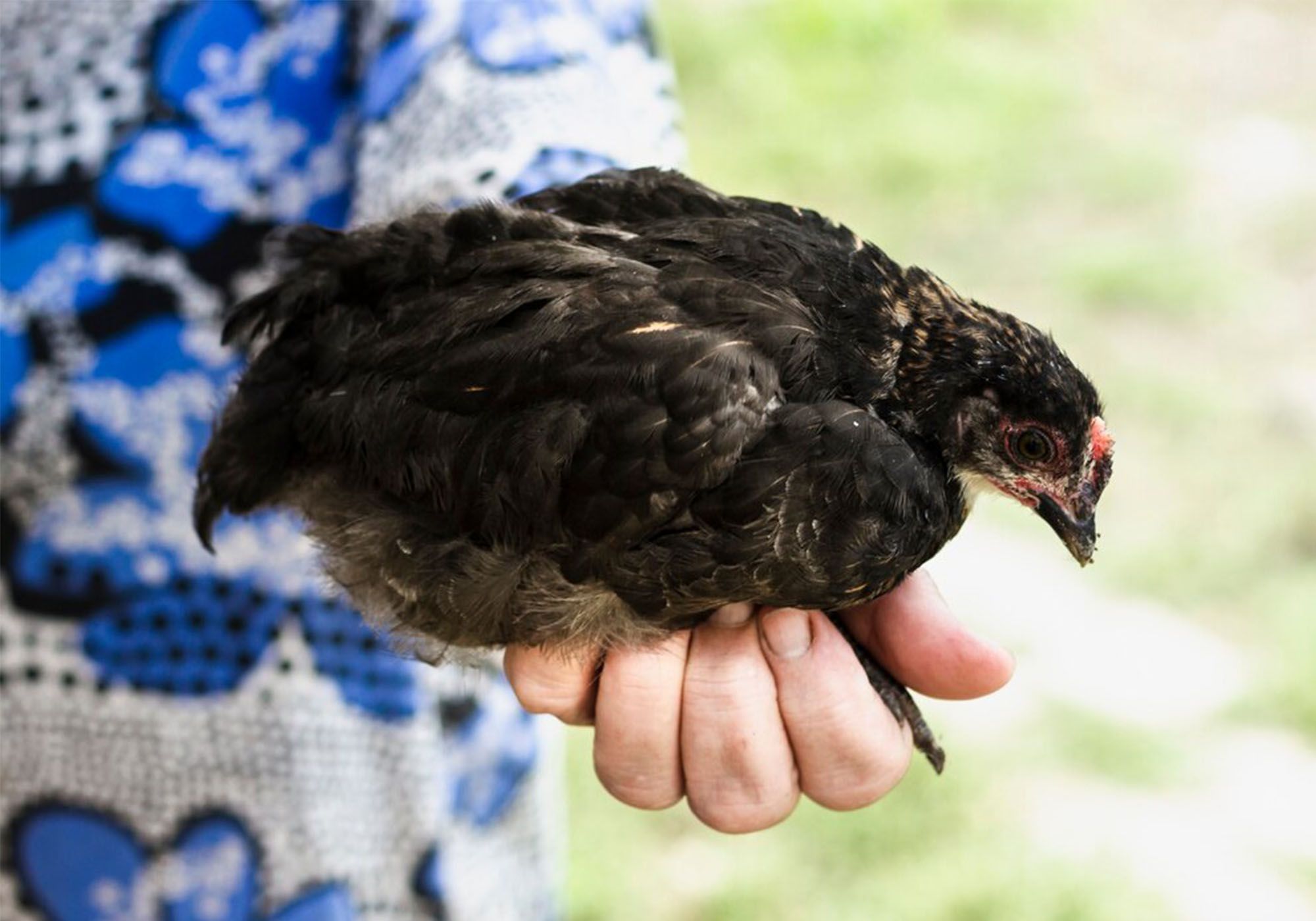
Bird flu, or avian influenza, is a viral infection that mostly infects birds but can sometimes infects humans. The virus spreads through direct contact with infected birds, contaminated surfaces, or airborne particles from bird droppings. While it has existed for years, recent outbreaks in 2025 have raised concerns due to increasing transmission rates.
Governments and health organizations worldwide are closely monitoring the situation, as mutations in the virus could make human-to-human transmission easier. Currently, most human cases come from direct exposure to infected birds, but experts worry that a small mutation could lead to widespread outbreaks. This is why scientists are constantly studying new strains and developing better ways to detect and contain them.
Understanding bird flu is crucial, especially if you live near poultry farms, handle birds, or consume poultry products frequently. The good news is that while the virus poses risks, there are ways to protect yourself. By staying informed and taking preventive measures, you can reduce your chances of contracting bird flu and keep yourself and your family safe.
Early Symptoms: How to Tell If You Might Have Bird Flu ?
Recognizing bird flu symptoms early is essential to getting the right medical care and preventing complications. The symptoms often resemble the common flu, making it tricky to differentiate without proper testing. Some of the most common symptoms include fever, cough, sore throat, muscle aches, and difficulty breathing.
Unlike seasonal flu, bird flu can lead to severe respiratory issues quickly, including pneumonia and acute respiratory distress syndrome (ARDS). Patients may also experience nausea, vomiting, diarrhea, and eye infections. If left untreated, the infection can become life-threatening, so early diagnosis and medical intervention are crucial.
If you develop flu-like symptoms after contact with birds or poultry products, seek medical attention immediately. Doctors may conduct specialized tests to determine whether the bird flu virus is present in your system. Acting fast can make a significant difference in treatment outcomes and reduce the risk of complications.
Can You Catch It from Eating Chicken or Eggs?
One of the biggest concerns people have about bird flu is whether it can spread through food. The good news is that properly cooked chicken and eggs do not transmit the virus. Bird flu is destroyed by high temperatures, so cooking poultry to an internal temperature of at least 165°F (74°C) ensures safety.
However, handling raw poultry improperly can increase the risk of infection. Contaminated surfaces, utensils, and hands can spread the virus if not cleaned properly. Always wash your hands thoroughly after touching raw meat and disinfect kitchen surfaces to eliminate any potential threats. Using separate cutting boards for raw and cooked food also helps prevent cross-contamination.
If you’re eating out, choose restaurants that follow strict food safety guidelines. Avoid consuming raw or undercooked poultry products, including runny eggs. By following these precautions, you can continue enjoying your favorite chicken dishes without worrying about bird flu exposure.
Who’s at Higher Risk? Age, Conditions & Jobs That Matter
While anyone can contract bird flu, certain groups of people are more vulnerable to severe illness. The elderly, young children, and individuals with weakened immune systems are at higher risk of complications. People with chronic conditions like diabetes, heart disease, or respiratory disorders should be extra cautious.
Those who work closely with birds, such as poultry farm workers, veterinarians, and bird handlers, have a higher chance of exposure. These individuals should take additional safety measures, including wearing protective gear and maintaining proper hygiene. Regular health check-ups can also help detect infections early before they become severe.
If you fall into a high-risk category, it’s essential to stay updated on vaccinations and follow preventive guidelines. Keeping your immune system strong through a balanced diet, exercise, and sufficient sleep can also reduce the risk of severe illness. Knowing your risk level allows you to take proactive steps toward better health and safety. Learn more about the fungal and bacterial infections, a guide that everyone needs.
Bird Flu Prevention: Simple Daily Habits That Help
The best way to avoid bird flu is by practicing good hygiene and minimizing exposure to potential sources of infection. Washing your hands frequently with soap and water is one of the simplest yet most effective preventive measures. Using alcohol-based sanitizers when soap isn’t available can also help reduce the risk of infection.
If you work with birds or live in an area with reported bird flu cases, wearing a mask and gloves can provide an extra layer of protection. Avoid touching your face, especially your eyes, nose, and mouth, as viruses often enter the body through these areas. Disinfecting frequently touched surfaces, such as doorknobs and countertops, also lowers the risk of virus transmission.
Maintaining a strong immune system is another key prevention strategy. Eating a nutrient-rich diet, staying hydrated, and getting enough rest help your body fight off infections more effectively. Consider getting a flu vaccine, as some strains may offer cross-protection against bird flu. Small changes in daily habits can make a big difference in staying healthy.
Shop the Medications for Allergy
When to Seek Medical Help: What Doctors Recommend
Knowing when to seek medical help can be lifesaving if you suspect bird flu. If you develop a high fever, difficulty breathing, or severe flu-like symptoms after recent bird exposure, don’t wait to see a doctor. Early diagnosis and antiviral treatments can significantly improve outcomes and prevent complications.
Doctors may prescribe antiviral medications like oseltamivir (Tamiflu) or zanamivir (Relenza) to reduce the severity of symptoms. These drugs work best when taken within 48 hours of symptom onset, so timely medical attention is crucial. Hospitalization may be necessary in severe cases, especially if respiratory distress or organ failure occurs.
If you experience persistent chest pain, confusion, or bluish lips or face, seek emergency medical care immediately. These symptoms could indicate severe respiratory complications requiring urgent intervention. Trust your instincts—when in doubt, it’s always better to get checked by a healthcare professional.
Bird flu remains a global health concern, but with proper knowledge and preventive measures, you can protect yourself and your loved ones. Stay informed, follow safety guidelines, and prioritize your health to minimize risks. If you ever feel unwell, don’t hesitate to seek medical help—early action can save lives.
Shop the Antibiotics for Infections
Frequently Asked Questions (FAQs)
Can your pet dog or cat catch it?
Yes, it is possible. Our pets are naturally curious—they love to sniff, chase, and occasionally “sample” things they find in the yard. If your cat catches a sick bird or your dog investigates a carcass on a hike, they could be exposed. Cats, in particular, seem a bit more sensitive to these specific strains.
If you know there’s an outbreak nearby, maybe keep the cat inside for a while and keep the dog on a leash so they don’t scavenge. And as tempting as it is to share, skip the raw treats like unpasteurized milk or raw poultry for now. If they seem unusually tired or have trouble breathing, a quick call to the vet is the way to go.
Is it safe to drink milk?
This is a big one lately. You can absolutely keep enjoying your milk, provided it’s pasteurized. The heat used during pasteurization is incredibly effective at killing the virus.
What you’ll want to skip is “raw” or unpasteurized milk. Since the virus has been found in some dairy cattle, raw milk carries a real risk of exposure. Check your labels at the store or farmer’s market just to be sure—it’s an easy way to stay safe.
How much time is the virus on the surface ?
It can be a little stubborn. On hard things like your kitchen counters, doorknobs, or cell phone, it can hang around for about 24 to 48 hours. It doesn’t last nearly as long on softer stuff like your clothes or mail.
The good news is that your regular household cleaners are very good at stopping it. A quick wipe-down with an alcohol-based or bleach-based cleaner is all it takes to keep your high-touch areas clear.
Should I stop feeding the birds?
If you love watching birds in the morning, this one is tough. But bird feeders can sometimes act like a “buffet” where sick birds accidentally spread the virus to healthy ones. When you notice a sick bird neighborhood please take your feeders down for few days. After you clean your birdbath or feeders, use a 10% bleach solution, wear gloves, and always wash your hands afterward.
Can I get a vaccine for it?
Since the virus doesn’t spread easily between people, health experts are focusing on monitoring the situation rather than mass vaccination.
There are stockpiles ready for people in high-risk jobs, like poultry farmers, and scientists are working behind the scenes to make sure we’re ready if the virus ever changes its behaviour.
How is this different from the regular flu?
Think of it as a different “branch” of the flu family. The seasonal flu we get every winter is built to move between humans. Bird flu (like H5N1) is built to move between birds.
It rarely jumps to people, which is why you don’t see it spreading in offices or schools. However, when it does jump, it can be a lot tougher on the body than the seasonal flu, which is why health officials keep such a close eye on it.
What about pregnancy and medication?
Pregnancy puts a lot of stress on your immune system, so you’re in a higher-risk group.
Antivirals like Tamiflu are generally considered safe and work best when you start them right away. Always loop in your OB-GYN—they are there to help you navigate this and keep both you and the baby safe.
Should I cancel my vacation?
In most cases, there’s no reason to change your plans. You can still travel and have a great time by following the “look but don’t touch” rule with wildlife.
Try to avoid live poultry markets or bird farms while you’re away, and make sure your chicken or turkey is well-cooked. Keep a hand sanitizer and also check the CDC’s travel page while you prepare.
What if I find a dead bird?
It’s a sad sight, but the most important thing is: don’t touch it. If you need to move it, use disposable gloves or a shovel, and double-bag it before putting it in the trash.
Wash your hands like a pro afterward. If you see several dead birds in one area, give your local wildlife office a call. They use that information to track how the virus is moving through nature.
Can kids go to school during this?
Bird Flu does not spread from person to person; therefore, schools are considered safe to go. It is necessary for children to take care by washing hands timely, not to pick feathers to touch any sick animals. Inform your teacher if you feel itchy or even sick.
Always stay updated with the latest health articles and prevention tips, also expert backed insights from GenPharmarx Health Blog. Save and bookmark this guide and follow our blog for more healthy tips.
More Blogs